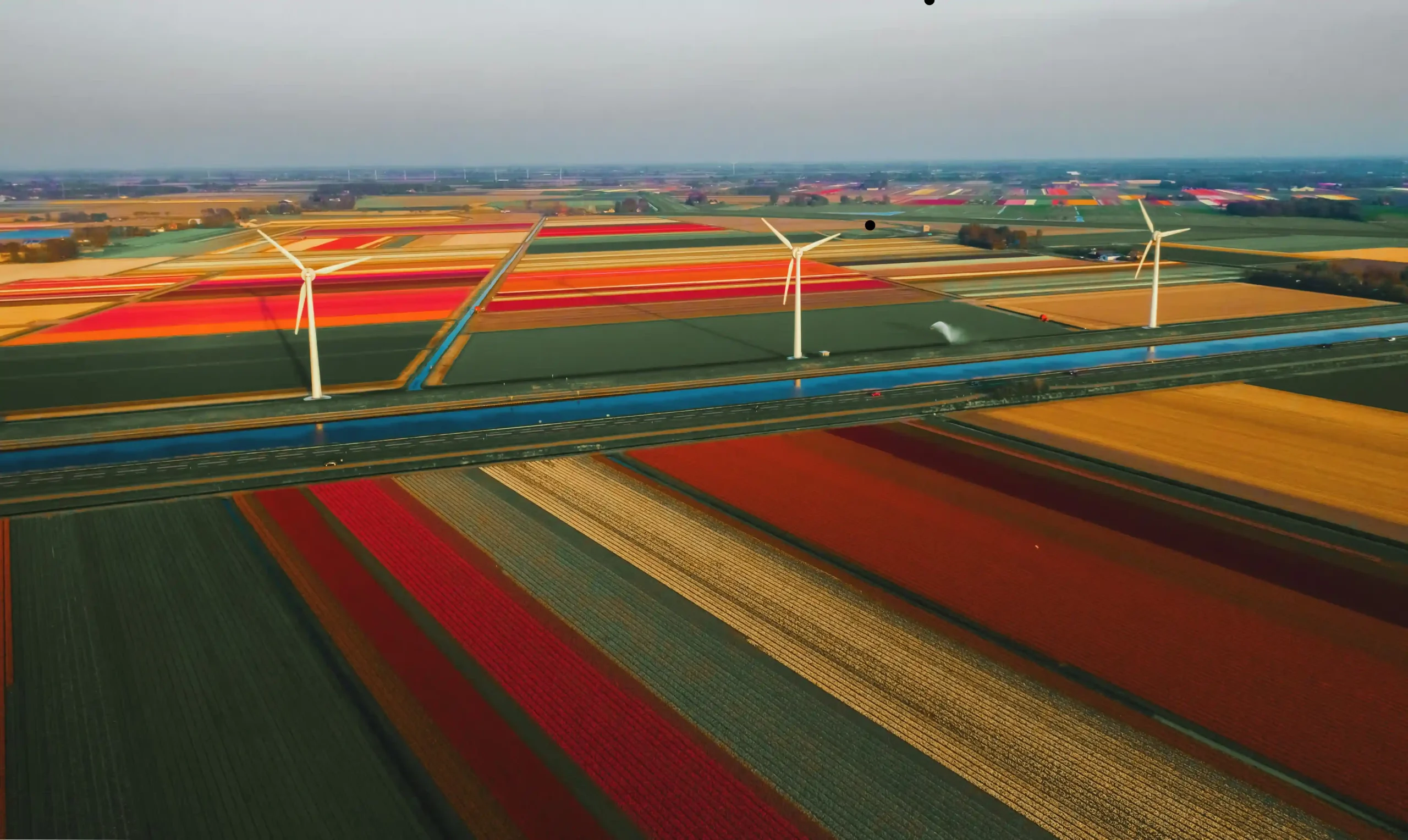
I was in the Netherlands again last week, my twenty-fifth visit in twenty years. It remains one of my most beloved countries. I adore the Dutch people and the historical ties between my country and the Netherlands.
Each time, I observe the vast cultural differences between the Dutch and Afrikaners, and the extent to which Africa, along with our German, French, English, and other DNA, has shaped us. Indigenous tribes and Malay slaves helped mold our language Afrikaans. Long, dry, scorching summers and the African landscape forged us into tough, resilient people. Isolation spared us from excessive refinement, exaggerated enlightenment and overzealous political correctness.
Yet, I perceive something beautiful, albeit almost painfully precious, in the Netherlands: a highly advanced society with wonderful people, but one lacking any plan for the future, any long-term dreams or any remaining sense of close-knit cohesion.
Over twenty years of regular visits, I have watched the Netherlands wither due to its own actions (oikophobia, secularization, the loss of identity and culture, etc.) as well as external factors. These include mass immigration and the emergence of parallel societies formed by assertive, aggressive, and dominant cultures from the Arab world and Africa, alongside the paralyzing effects of European integration and the unwitting surrender of national sovereignty to a bureaucracy of unelected “deep state” officials in Brussels.
During my most recent visit last week, I concluded that the final tipping point has been reached. Friends speak of rapidly shifting demographics in schools, no longer confined to cities but now evident in rural areas as well. The Islamization of the country is visible everywhere. Churches close; mosques open.
More and more Dutch people are considering leaving their country. The coalition of immigrants and left-wing urban globalists has come to dominate every political sphere, the media, and academia. Ordinary citizens, entrepreneurs, farmers and workers have to work ever harder and pay ever more, only to receive less and less while watching their country slip away before their eyes.
Over the years, I have read a great deal about the Netherlands. The initial settlement of small tribes over the centuries transformed a marshy, windswept river delta, a landscape of sand, peat, floods and a true hostile environment, into a land of forests, dikes and historic villages and magnificent art, but above all, a land of close-knit communities, exceptional talents, international traders, great thinkers and innovators who helped shape an extraordinary civilization.
Now, we are witnessing a great decline. While prosperity remains, there is also a massive loss of continuity. It is every man for himself; who cares about future generations? Historical guilt and a left-wing, self-imposed self-loathing have allowed an influx of migrants with incompatible cultures, leading them to take over street by street, neighborhood by neighborhood, and city by city.
On the street, you hear a strange new Dutch -impoverished in depth and grammar and riddled with English and lazy slang. Culture is now relegated to history and museums. The “good life” is defined by daily pleasures rather than the creation of enduring things.
I see the end of the Netherlands approaching, or at least the end of the Netherlands as it has existed for the past few centuries. With every visit, I observe increasing affectation, paralysis, loss, and a transformation that effectively amounts to an occupation by cultures that harbor an aversion to Western culture, Christianity, and, by extension, the Netherlands itself.
The future of the Netherlands looks uncertain, even perilous. It points to either an urgent course correction or a dramatic escalation of tension, conflict and revolution. This is not merely the story of the Netherlands, but also of other European countries and regions close to my heart, such as Flanders, Germany, Austria, South Tyrol, and so on. These are issues concerning the survival of a civilization playing out right before our eyes. Each of us surely has a part to play, something we can and must do, to protect our Western civilization from destruction, and this is precisely what I urge my Dutch friends to do with great urgency.