A record-breaking rugby crowd in Baltimore has thrown a spotlight on both the Springboks’ global commercial potential and the deep costs of South Africa’s ongoing skills and capital flight.
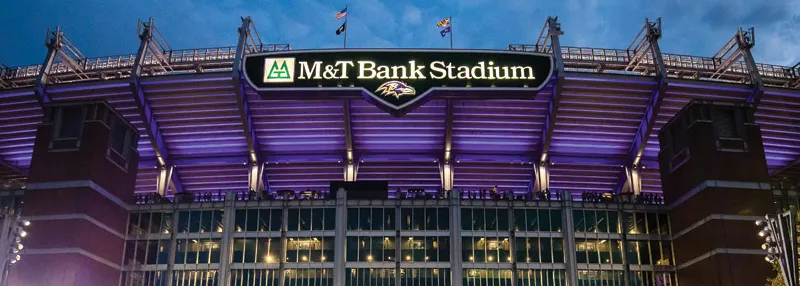
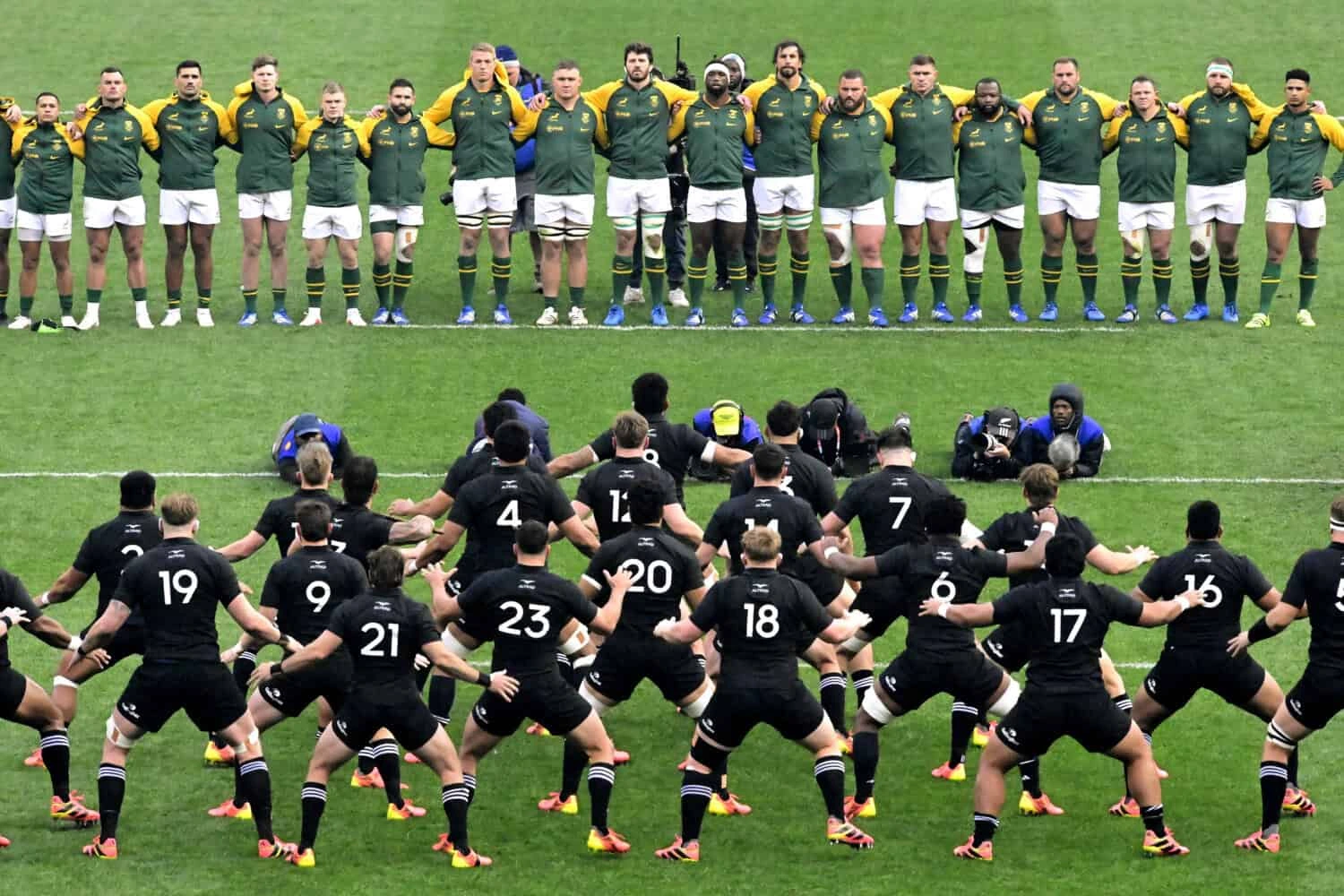
On a recent night in Maryland, 68,173 fans packed a stadium for a Springboks match — the largest live rugby audience in American history. According to Frans Cronjé, who attended the game and later discussed it on The Common Sense’s Talking Sense panel, the stands and surrounding streets were dominated by green-and-gold. South African expats outnumbered New Zealand supporters by a wide margin, turning parts of Baltimore and nearby Washington into temporary outposts of the Bok faithful.
Cronjé described the scene as both exhilarating and sobering. Many of those in attendance were not tourists but permanent residents of the United States — skilled professionals, entrepreneurs and taxpayers who had left South Africa. “Here sits a lot of taxpayers and a lot of South African entrepreneurs,” he said. Conversations with expatriates and with a UK-based money manager reinforced the same pattern: large volumes of South African talent and capital have already moved offshore.
World Rugby sees the United States as the next frontier. Traditional rugby markets in South Africa, New Zealand and Australia are largely saturated. Officials estimate that capturing just 1% of the US sports market would roughly double global rugby revenues. The Baltimore fixture was treated as a successful test of that ambition.
Behind the on-field spectacle, commercial interest in the Springboks themselves has intensified. Investors have already made approaches for the team’s corporate and commercial rights. Those offers, initially modest, are expected to grow after the strong US showing. Some backers view the move as a hedge: if South Africa’s domestic economy and tax base continue to erode, the long-term financial viability of the national side could come under pressure. Securing a foothold in the far larger American market is seen as a way to protect and expand the brand.
The discussion has proved polarising. A Common Sense diary piece reflecting on the scale of the talent export drew an unusually strong reaction — elevated engagement mixed with sharp pushback. Critics objected to the framing of South Africa’s “greatest export” as its own middle-class professionals and employers. Supporters argued the observation simply states an uncomfortable reality created by policy choices hostile to investment, growth and the interests of skilled citizens.
Similar patterns are visible in other destinations. In parts of London — Putney, Wimbledon, Wandsworth — South African accents are common, and Springbok match days turn neighbourhoods green. Local observers note that these migrants typically arrive with high skills and fill professional roles, rarely generating the resentment directed at other migrant groups.
The Baltimore experiment underscores a dual challenge. Rugby administrators and commercial partners are racing to unlock new revenue streams in the world’s largest sports market. At the same time, the visible diaspora of South African talent serves as a reminder that sustained domestic decline carries consequences far beyond the balance sheets of any single sporting code. Securing the Springboks’ long-term commercial future may ultimately depend as much on getting South Africa’s growth and policy environment right as on any deal struck with American investors.