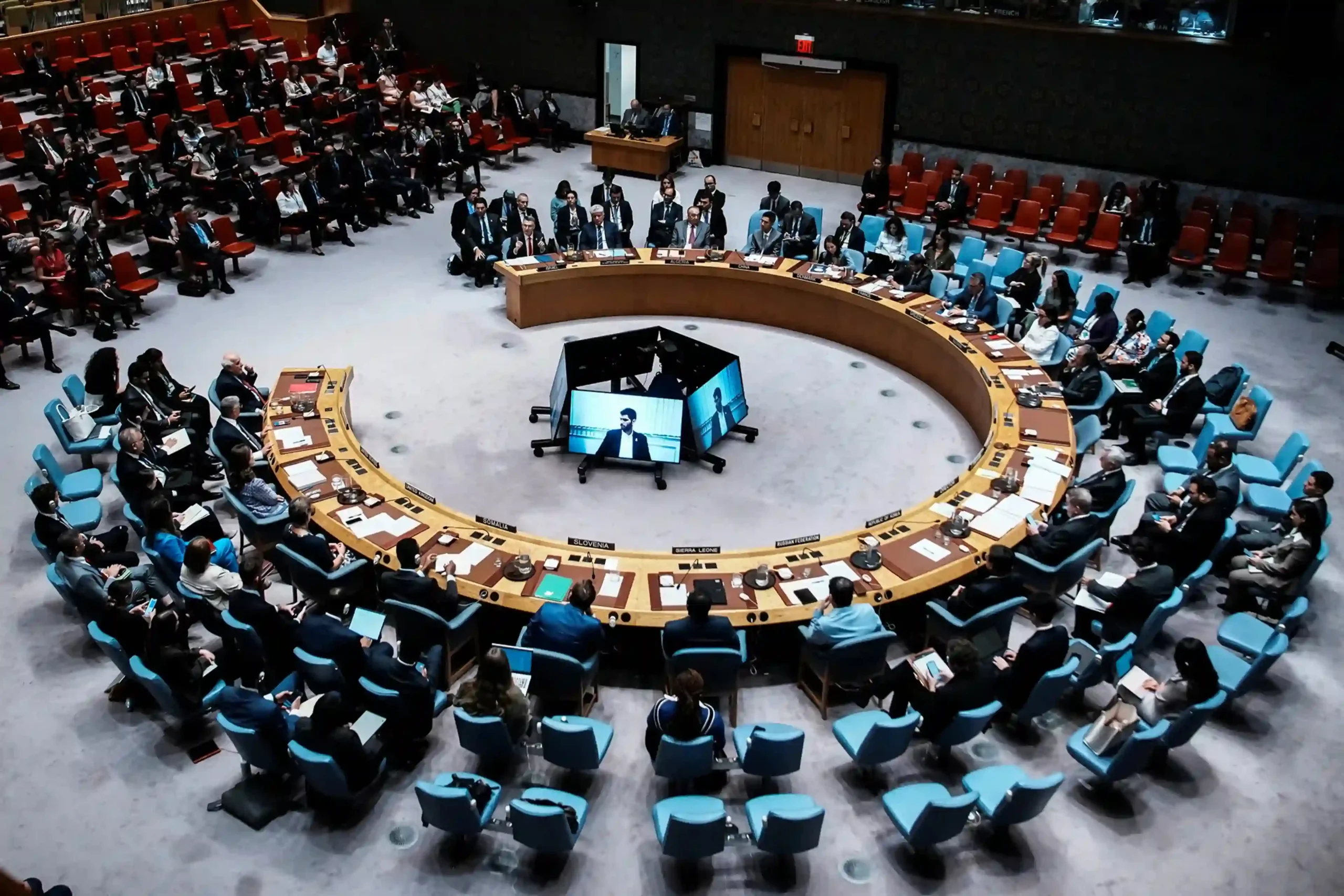
The United Nations has once again exposed its deeply flawed institutional architecture, electing 15 new members to its 47-nation Human Rights Council through an uncontested process that critics have blasted as a charade. Because regional blocs coordinated behind closed doors to put forward exactly the same number of candidates as available seats, the global body bypassed any meaningful democratic competition – effectively guaranteeing spots to notorious human rights abusers.
Even left-leaning establishment watchdogs were forced to acknowledge the absurdity of the situation. Louis Charbonneau, the United Nations director at Human Rights Watch, publicly condemned the vote, calling it a mockery of the word election and arguing that no country should have a seat handed to them on a silver platter.
The farce highlights a perpetual conservative critique of the U.N.: an unaccountable, bloated global bureaucracy that grants moral equivalence to corrupt regimes while lecturing sovereign, democratic nations. Among the newly minted arbiters of global human rights are Burundi, a nation plagued by systemic state-sponsored abuses, and Brazil, where law enforcement realities have drawn international scrutiny following the killing of more than 6,500 people by police forces.
Rather than enforcing strict standards of liberty and justice, the U.N. continues to operate as a club where bad actors provide cover for one another. UN spokesman Stephane Dujarric attempted to downplay the institutional failure, stating that while the election process is entirely a matter for the 193 member nations, elected countries bear an added responsibility to protect human rights.
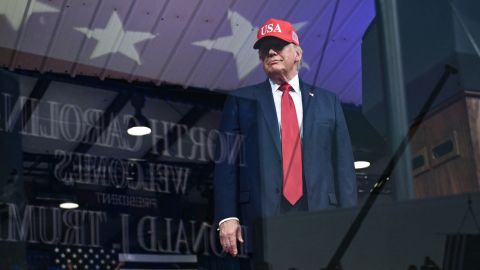
For conservative observers, this latest development serves as a validation of President Donald Trump’s decisive foreign policy strategy. The Human Rights Council was originally established in 2006 to replace an already discredited rights commission that had been overrun by dictatorial regimes. However, the rebranding did little to change the council’s underlying anti-Western and anti-Israel bias.
Citing the council’s relentless, disproportionate targeting of Israel and its refusal to meaningful discipline actual despots, the Trump administration withdrew the United States from the council. At the time, conservative leaders argued that American taxpayers should not subsidize or legitimize a globalist body that actively undermines Western allies while empowering the world’s worst offenders.
With uncompetitive elections guaranteeing power to abusive governments, the U.N. Human Rights Council continues to demonstrate that it is fundamentally broken, serving as a cautionary tale of what happens when national sovereignty is subordinated to global institutions.